


Überwachung von Schwefelsäure, Natriumchlorid & Natriumhydroxid
LiquiSonic® überwacht die Konzentration und Dichte von Prozessflüssigkeiten schnell, zuverlässig und sehr präzise. Das plug&play-System besticht durch eine einfache Handhabung und Wartungsfreiheit.
- Keine Probenahme erforderlich
- Zuverlässige Inline-Werte 24/7 in Echtzeit
- Schnelle Reaktion auf Prozessabweichungen
- Detaillierte Prozessdaten für Ihre Dokumentation
- Zahlreiche Prozess-Schnittstellen
- Automatische Dosierung und Einstellung von Prozessflüssigkeiten möglich


Chlor-Alkali-Verfahren


Soleaufbereitung
Bei der Aufbereitung der Eingangsstoffe für die Elektrolyse überwacht LiquiSonic® zuverlässig die Qualität bzw. Sättigung von NaCl vor und nach der Aufbereitung. So können zusätzlich Rückschlüsse auf die Effizienz dieses Prozessschrittes gezogen werden.


Maximale Natriumchlorid-Sättigung, Einsparung von Energiekosten
- Zuverlässige Wareneingangskontrolle
- Verlängerte Lebensdauer der Elektrolyse-Membranen
- Exakte Kenntnis der Reinheit der Sole
-
Spart Energiekosten durch Sicherstellung einer maximalen NaCl-Sättigung
Trennung von NaOH und NaCl
Nach der Elektrolyse gelangt das Katholyt in den Evaporator, der NaOH und NaCl trennt. Neben der Überwachung der Qualität des abgetrennten Natriumhydroxids kann ebenso das NaOH/NaCl-Gemisch in Echtzeit überwacht werden. Dabei gibt er Controller gleichzeitig beide Konzentrationen zuverlässig an.


Hochgenaue Überwachung der Ein- und Ausgänge für optimierten Trennungsprozess
- Überwachung der Natronlauge/Natriumchlorid-Mischung
- Genauigkeit bis zu ±0,1 m%
- Sicherstellung der NaOH-Produktqualität
- Überwachung der Evaporatoreffizienz
Trocknung von Chlorgas
Als Produkt der Elektrolyse gelangt das Chlorgas zur Trocknung. Durch die Zuführung von Schwefelsäure wird dem Gas Wasser entzogen und so für die Weiterverarbeitung vorbereitet. Das LiquiSonic®-System überwacht die Qualität (Konzentration/Dichte) der zugeführten Schwefelsäure (H2SO4).


Perfekte Schwefelsäurekonzentration für optimale Trocknungsergebnisse
- Genauigkeit: bis zu 0,03 m%
- Automatisierte Nachdosierung möglich
- Korrosionsbeständige Materialien (Hastelloy C2000, PFA, etc.)
- keine Probenahme erforderlich


Chlorgastrocknung
- H2SO4-Genauigkeit bis zu ±0,03 m%
- Kontinuierliche Echtzeit-Überwachung der H2SO4-Konzentration
- keine Probenahmen oder Labortests
- Sicherstellung der gewünschten Cl2-Trockenheit zur Vermeidung von Korrosion
Separation im Diaphragmaverfahren
- Keine Probenahme mehr erforderlich
- Echte 24/7-Prozesskontrolle
- Kontinuierliche Überwachung der Konzentration des NaOH/NaCl-Gemisches
- Reduktion der Energiekosten bei der Verdampfung
- Exakte Einstellung der kundenspezifischen Produkt-NaOH-Konzentration


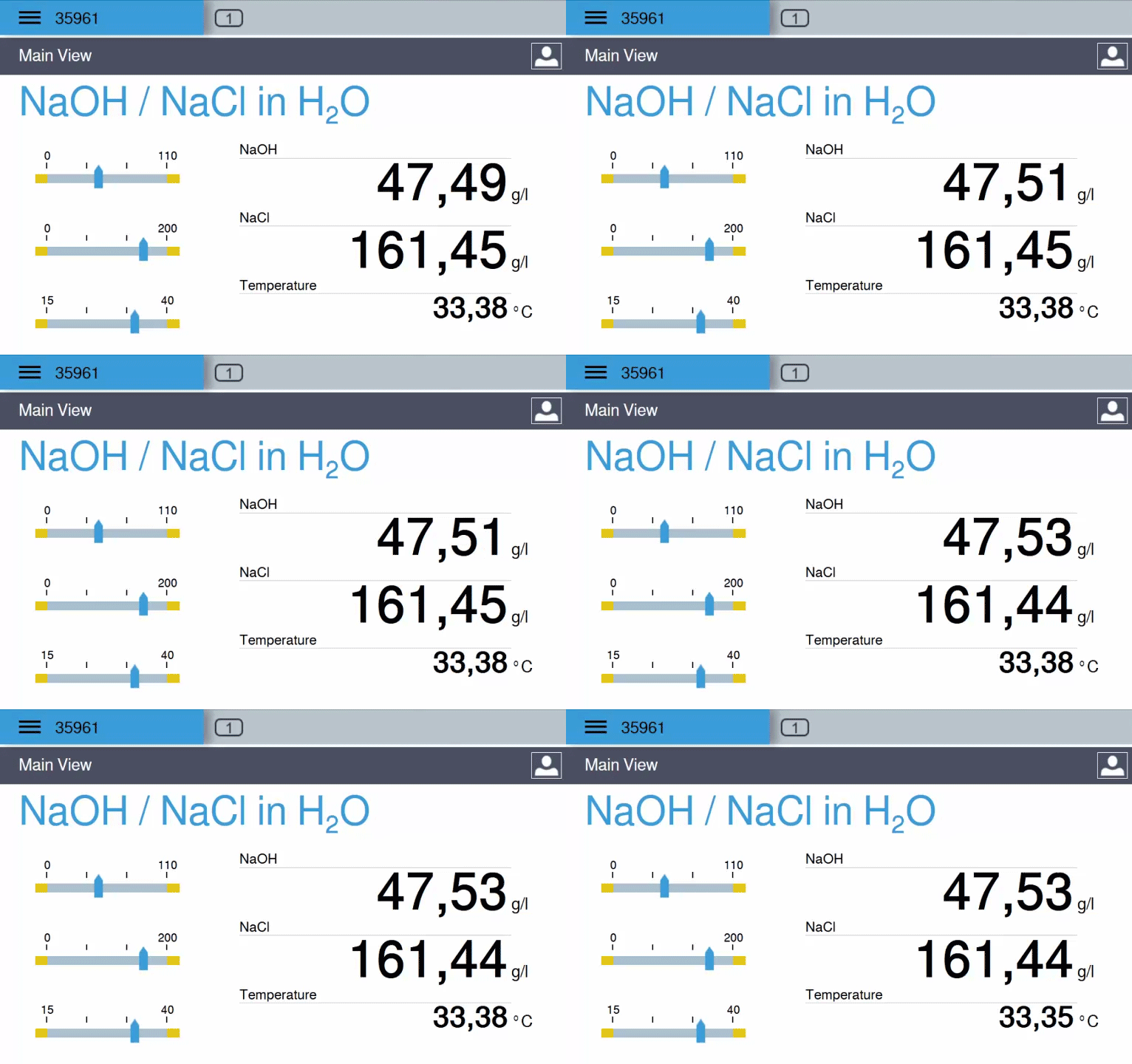

Separationsprozess
- Kontinuierliche Konzentrationsüberwachung des Natronlauge/Natriumchlorid-Gemisches
- Reduktion der Energiekosten bei der Verdampfung
- Exakte Einstellung der kundenspezifischen Produkt-NaOH-Konzentration
- Kontrolle und Fehlersuche durch kontinuierliche Überwachung der NaOH- und NaCl-Konzentration nach der Verdampfung inkl. einwandfreier Dampfregulierung in den Verdampfern
